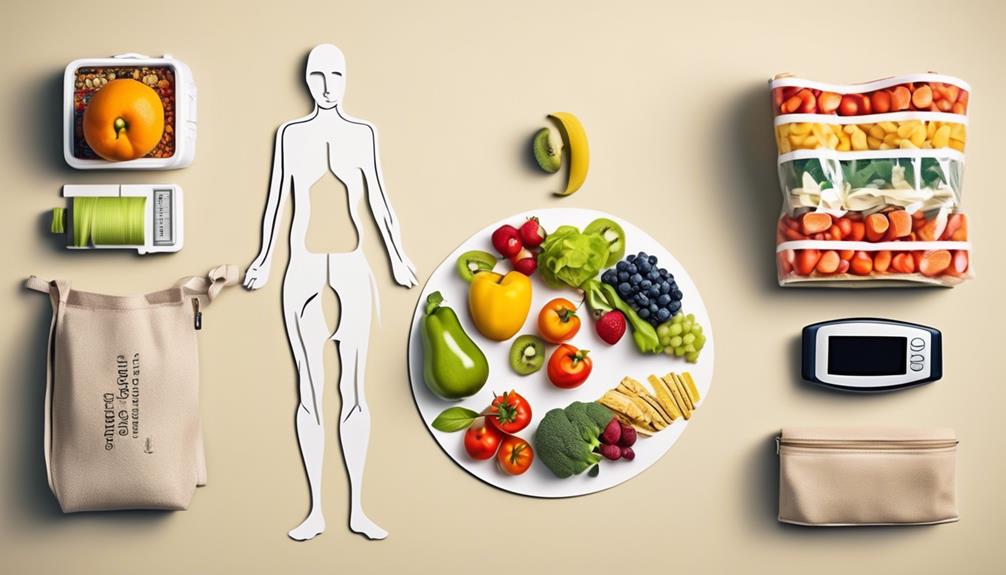
Unveiling Secrets Behind the Weight Loss Process
Weight Loss Process: What Really Matters
- Sustainable weight loss usually comes from consistent habits, not crash diets or quick fixes.
- A caloric deficit means using more energy than you consume, but balance, nutrition, and routine still matter.
- Physical activity supports weight management, overall wellness, and long-term progress.
- Food quality, portion awareness, and mindset can be just as important as calorie numbers.
- When comparing weight-management or aesthetic product categories in South Africa, it helps to read product details carefully and choose responsibly.
You're about to uncover the real principles behind the weight loss process, much like peeling back the layers of an onion to reveal what matters most underneath. While many people search for one secret, successful weight management is usually built on several steady, realistic habits working together.
As you move through the endless diet plans, exercise routines, and wellness trends online, it becomes clear that losing weight is not just about eating less or working out harder. It is also about understanding your body, your routine, your goals, and the kind of support that helps you stay consistent.
If you are looking for practical guidance rather than hype, this guide breaks down common myths, caloric deficit, nutrition, movement, mindset, and how to make informed beauty and wellness buying decisions in South Africa. Where relevant, Foxy Beauty also offers online access to beauty, self-care, skincare, and aesthetic product categories for shoppers who want to compare options carefully.
So, are you ready to discover the key to unlocking the mysteries of sustainable weight loss support options and building a healthier lifestyle with realistic expectations?
Key Takeaways
- Crash diets and skipping meals are rarely effective or sustainable methods for healthy progress.
- Maintaining a caloric deficit through balanced eating and physical activity is a core principle of weight loss.
- Understanding metabolism helps you set more realistic expectations over time.
- Regular movement supports calorie use, fitness, mood, and routine-building.
- Sustainable results usually come from consistency, not extreme short-term efforts.
Common Weight Loss Myths
A quick overview of common misconceptions that can slow down long-term progress.
If you've ever tried to lose weight, you've likely come across advice that sounds convincing but does not hold up well in real life. Many of the most common weight loss myths encourage extreme or unsustainable behaviour, which can make the process feel harder than it needs to be.
Myth 1: Crash diets are the fastest route to success
Crash diets may seem appealing when you want quick changes, but they are difficult to maintain and often leave people feeling deprived. Sustainable weight loss is more commonly linked to gradual, consistent changes in eating habits and daily routine.
Myth 2: Skipping meals helps you lose more weight
Skipping meals may lead to stronger hunger later in the day, which can make overeating more likely. For many people, structured meals and portion awareness are more helpful than going long periods without eating.
Myth 3: Carbohydrates should always be avoided
Carbohydrates are often unfairly blamed. In reality, complex carbohydrates such as whole grains, legumes, and vegetables can support energy levels and a balanced approach to eating. The type and quantity usually matter more than a blanket rule.
Myth 4: Exercise can completely cancel out a poor diet
Physical activity is important, but it works best alongside mindful eating habits. Lasting progress usually comes from the combination of movement, nutrition, sleep, and consistency.
Myth 5: All calories are exactly the same in practice
Calorie balance matters, but food quality matters too. Nutrient-dense meals can help support fullness, energy, and routine, which can make healthy habits easier to maintain over time.
Understanding Caloric Deficit
A caloric deficit means you are using more energy than you consume. This is one of the central ideas behind weight loss. When the body needs more energy than it is getting from food and drink, it may begin using stored energy to help cover that gap.
That said, knowing the definition is only the start. A healthy, sustainable approach also considers food quality, routine, recovery, hydration, and the fact that results and experiences vary from person to person.
Caloric Deficit Basics
- What it means: You consume fewer calories than your body uses.
- How it is created: Usually through a combination of food choices, portion control, and physical activity.
- Why awareness helps: Understanding the calorie content of foods can support more informed decisions without relying on guesswork.
How a Caloric Deficit Can Affect Metabolism
When you create a caloric deficit, your body adapts over time. Some people find progress slows after an initial period. This is one reason why sustainable habits are often more valuable than extreme plans that feel impossible to continue.
To support your metabolism while working toward weight-related goals, balanced nutrition, sensible activity, sleep, and patience are usually more sustainable than over-restriction.
What Sustainable Weight Loss Usually Looks Like
Sustainable weight loss generally means slower, more manageable progress that fits into real life. It does not rely on being perfect every day. Instead, it focuses on repeatable habits that can realistically continue over time.
- Caloric deficit: Important, but best approached with balance.
- Nutrition quality: Meals that support fullness and energy can improve consistency.
- Movement: Regular physical activity helps support long-term routine.
- Mindset: Progress is usually steadier when expectations are realistic.
Importance of Physical Activity
Regular physical activity is a valuable part of the weight loss process. It helps increase daily energy use, supports fitness, and can improve your sense of well-being.
It also helps build a stronger routine. Many people find that when activity becomes part of everyday life, other healthy habits become easier to maintain as well.
Cardio, strength training, walking, stretching, swimming, dancing, and hiking can all play a role. The best option is often the one you can keep doing consistently. Enjoyment matters, because the most effective routine is usually one that feels sustainable.
Role of Nutrition in Weight Loss
What you eat plays a major role in your weight loss journey. Nutrition affects hunger, fullness, energy levels, and how easy or difficult it feels to stick to your goals.
Nutrient-Dense Foods
Nutrient-dense foods provide vitamins, minerals, fibre, and other useful nutrients without relying heavily on empty calories. Lean proteins, fruits, vegetables, whole grains, legumes, and healthy fats can all support a more balanced routine.
These choices can also improve satiety, which means feeling more satisfied after eating. That can make a caloric deficit feel more manageable.
Portion Control
Portion control is not about harsh restriction. It is about being more aware of how much you are eating and whether that amount matches your needs and goals.
For many people, a sustainable approach to portion sizes works better than trying to eliminate entire food groups. Mindful eating can also help you notice hunger and fullness cues more clearly.
Balanced Meal Planning
Balanced meal planning usually includes a practical mix of protein, fibre, complex carbohydrates, and healthy fats. This kind of structure can support steadier energy and help reduce the urge to overcompensate later in the day.
Staying hydrated is another useful piece of the puzzle. Drinking enough water throughout the day supports overall wellness and may help with appetite awareness.
Effective Strategies for Sustainable Results
To achieve sustainable results, it helps to focus on strategies that support both body and mind. Weight-related goals are easier to maintain when they are linked to realistic systems rather than temporary bursts of motivation.
- Know your “why”: Your reason might be health, confidence, routine, energy, or self-care.
- Build habits slowly: Small changes are often easier to repeat than dramatic ones.
- Choose foods that nourish and satisfy: A balanced plan usually works better than a restrictive fad diet.
- Find activity you enjoy: Consistency is easier when movement feels realistic and rewarding.
- Use support wisely: Accountability from friends, family, or a qualified professional can help.
Mindset and Behaviour Change
Mindset shapes how you approach setbacks, plateaus, and progress. If your plan depends on perfection, it may be hard to maintain. If it allows for flexibility and learning, it becomes easier to continue.
Mindful Eating
Mindful eating means paying closer attention to hunger, fullness, habits, and triggers. It can help reduce automatic snacking and improve your awareness of portion sizes.
Emotional Eating
Many people eat for reasons that have little to do with hunger, including stress, boredom, or comfort. Recognising those patterns is often an important part of long-term behaviour change.
Positive Self-Talk
A positive mindset does not mean ignoring difficulty. It means responding to challenges without giving up. Supportive self-talk can make it easier to continue even when progress feels slower than expected.
Support Systems for Success
A strong support system can make healthy habits easier to maintain. Support may come from people around you, communities with similar goals, or professionals who help you stay informed and realistic.
Frequently Asked Questions
What is the number one secret to weight loss?
The most reliable “secret” is consistency. Balanced eating, regular movement, realistic expectations, and repeatable habits usually matter more than any short-term trend.
What are the secrets to weight loss success?
Weight loss success often comes from sustainable routines, clear goals, portion awareness, enjoyable physical activity, and a mindset that allows for steady progress rather than perfection.
What is the 30 30 30 rule for weight loss?
The 30 30 30 approach is often described in different ways online, but generally refers to creating balanced meals with specific macronutrient targets. Whether it suits you depends on your routine, preferences, and overall needs. It is not the only valid approach.
What are the five stages of weight loss?
People describe the stages differently, but they commonly include motivation, early action, adjustment, consistency, and maintenance. The key is learning how to sustain habits when the initial excitement fades.
Can products replace healthy habits?
Most people benefit most from using products, if any, as part of a broader routine that includes nutrition, movement, and informed decision-making. No product should be seen as a guaranteed shortcut, and advanced products may require professional guidance.
What to Consider Before Buying Weight-Management or Aesthetic Products
If you are exploring specialist categories linked to body care, wellness, or aesthetic routines, it is worth slowing down and comparing products carefully. Product type, intended use, ingredients, format, and your own goals all matter.
Some shoppers in South Africa compare categories such as Ozempic-related products, fat dissolving items, or other advanced body-focused options. These categories are not suitable for everyone, and professional guidance may be appropriate depending on the product.
Foxy Beauty also offers a broad range of beauty, skincare, aesthetic, and self-care products online in South Africa. If you are browsing more generally, you can explore the main Foxy Beauty collection and read each listing carefully before making a decision.
Real Shopper Feedback
★★★★★
“I like that Foxy Beauty gives enough information to compare categories instead of pushing one option. It helped me shop more carefully and confidently.”
— Verified online shopper, South Africa
★★★★★
“The product descriptions made it easier to understand what I was looking at. I appreciated the educational approach and the clear collection layout.”
— Beauty customer, Gauteng
★★★★★
“Useful for browsing self-care and aesthetic categories in one place. I still make sure to read everything carefully, but the site makes comparison simpler.”
— Returning Foxy Beauty shopper
More Answers for Common Search Questions
How long does healthy weight loss usually take?
It varies depending on the person, their routine, and how sustainable their approach is. Slow, steady changes are often easier to maintain than aggressive short-term plans.
Do I need to cut out all carbs to lose weight?
No. Many people include carbohydrates in a balanced plan. The source, portion, and overall routine usually matter more than complete elimination.
Is exercise necessary for weight loss?
Physical activity is very helpful for many people because it supports energy use, fitness, and long-term habit building. Weight-related goals often benefit from both movement and nutrition awareness.
Should I use weight-management products without guidance?
That depends on the product category. Basic self-care items may be straightforward, but professional or advanced products should be approached responsibly, with qualified guidance where relevant.
Where can I compare beauty and wellness categories online in South Africa?
Foxy Beauty offers online access to beauty, skincare, self-care, and aesthetic product categories in South Africa. Always review product descriptions, intended use, and individual suitability before buying.
Conclusion
So, there you have it: the secrets behind successful weight loss are not really hidden at all. They usually come down to consistency, realistic choices, balanced nutrition, regular physical activity, supportive habits, and a mindset that allows for long-term progress.
It is time to move away from myths and toward a more informed, sustainable approach. Results are never identical for everyone, and no product or routine should be treated as a guaranteed outcome. Thoughtful decisions nearly always do more than quick fixes.
If you are comparing body-focused, wellness, beauty, or aesthetic categories in South Africa, Foxy Beauty offers a wide online selection to explore responsibly. Read each product description carefully, consider your own needs and lifestyle, and seek professional guidance where appropriate for advanced products.
Browse carefully, compare responsibly, and choose products based on your individual needs.
Editorial Note
Written for Foxy Beauty customers looking for clear, helpful beauty, skincare, aesthetic, and self-care guidance in South Africa. This content is created to help shoppers understand product categories, compare options, and make more confident beauty buying decisions.
Trust & Safety Reminder
- Foxy Beauty is an online beauty and aesthetic product store in South Africa.
- Results and experiences may vary from person to person.
- Skincare, body care, and self-care routines should be chosen according to individual needs.
- Professional products should be used responsibly and with qualified guidance where relevant.
- This content is educational and does not replace medical advice.